HISTORY OF ARCHITECTURE IN BANGLADESH: A GOLDEN PAST
By: bproperty || Date: 30 Nov 22
Architecture is essentially structures made of brick, wood, and stone. Yet it retains a touch of memory, a range of feelings, and a watermark of time. The architecture of this land is a unique signature of the history and tradition of Bangladesh. A unique style of construction has been developed here since the dawn of history. Even today, the architecture of Bangladesh is moving forward with a mixture of modernity and tradition. The first episode of this series titled ‘history of architecture in Bangladesh‘ contains the history of architecture in Bangladesh.
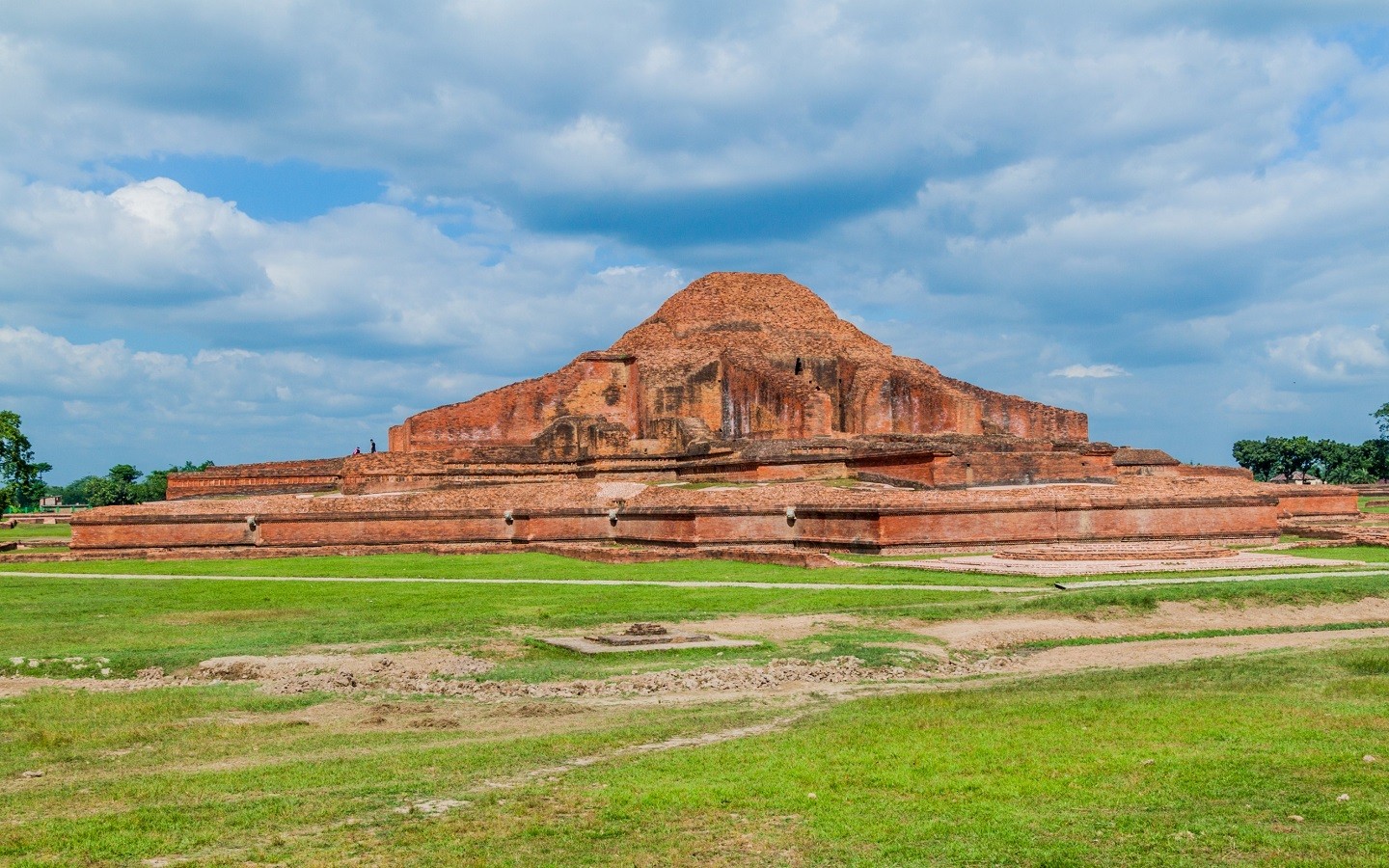
Bengal was under Buddhist rule from the eighth to the twelfth century of which the earliest empire of Indian Buddhist rule in Bengal (including present-day Bangladesh) was the Pala Empire. The Pala era created a new genre of mass architecture which was known as ‘Pala Sculpture School’. Some of the notable works of the Palas are found in Shalban Bihar, Somapura Mahavihara, Subishal Vikramshila Bihar, Odantapuri Bihar, and Jagatdal Bihar.
Built by the emperor about a thousand years ago, these monasteries were much like residential universities. Apart from Buddhism and philosophy, teachers and students here from home and abroad used to practice medicine, chemistry, astronomy, agricultural technology, mathematics, etc. The square layout or structure of Shalban Vihara is a notable feature of the architectural style of this era. However, the most notable feature of their architecture was their monasteries. The floor of these monasteries had solid platforms and statues, and niches (small holes for various objects) on the walls. There are 16 such monasteries in Somapura Mahavihara. The architectural style of the Palas also had long stretched verandas and ornate arches.
However, the nature of the work was not floral, but the portraits of various idols were the main inspiration of the work. The two most famous examples of Buddhist architecture in Bangladesh are the cruciform temples at Somapura Mahavihara and Shalban Vihara, known as the ‘Sarvatobhadra Mandir’ in Indian art and ecology. Stupas and small temples can also be seen in some Buddhist architecture.
Stone or stone sculptures are a unique feature of Buddhist architecture. A review reveals that one of the 63 stone idols of Somapura Mahavihara was originally a Buddhist idol, while the other 72 were Hindu idols. According to archaeologists, it is also known that some Buddhist monasteries of the Pala period were built on a 5th-century Jain monastery and some of the Jain monuments were found in the monasteries. Pala architecture was also followed throughout Southeast Asia, China, Japan, and Tibet at that time. A renowned architect said. “The Pala architecture of Bihar and Bengal has had a lasting effect on Buddhist architecture in Nepal, Burma, Sri Lanka, and Java,” said Stella Kramrisch. Hence, Pala Buddhist architecture is one of the significant representations of history of architecture in Bangladesh.
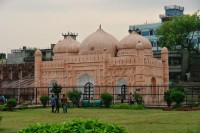
The Sultanate of Bengal was from 1342 to 1576. At that time Muslim Nawabs of Central Asian descent ruled Bengal independently of the Mughal Empire. Again around 1576, the Mughal Empire began to spread to most parts of Bengal. Dhaka became the ‘military base’ of the Mughals. When Subadar Islam Khan the First declared Dhaka as the ‘Capital of Bengal Subah’ in 1806, urbanization and housing began to flourish. Many mosques and forts were built. Notable examples of Sultanate architecture are the sixty-domed mosque, the gold mosque, the Kusumba mosque, and so on. Notable examples of Mughal architecture are Lalbagh Fort, Chawk Bazar Mosque, Saat Gombuj Mosque, Bara Katra, Chhota Katra, etc.
SULTANI ARCHITECTURE
The influence of Tughlaq architecture on Sultanate architecture is quite noticeable. The combination of wide walls and minarets is noticeable in almost all the features of Sultani architecture. Notable examples of Sultanate architecture include the sixty-domed mosque, with a wall about eight feet wide. There are also minarets in the corners of the roof, arches at the front and back doors, and many doors – all these can be seen in the Sultanate architecture. To the west of the sixty-domed mosque are 26 doors, including a door next to the main arch. There is also a large arch in front of the mosque and five small arches on either side. The roofs of the seven mosques in Mohammadpur have three large domes and one nuclear dome at each of the four corners. Sultani architecture used to be a pioneer in the field of architecture in Bangladesh of the middle age of the Sultani period.
MUGHAL ARCHITECTURE
The influence of Persian culture on Mughal architecture is clear. Domes, ornate roofs, and giant entrances can be seen on almost all notable examples of Mughal architecture. The use of marble started during the reign of Emperor Jahangir. The shiny blue-and-white marble of the Mughal period is still adorned on the floor of the hammam of the Lalbagh Fort. Besides, it was the custom in Mughal architecture to make plaques on walls and write various instructions on them. Unforgettable evidence of Mughal architecture was a stone slab written in Persian by Shaduddin Muhammad Siraji on the arch of Bara Katra. There was written about the builder of this traveler’s house and the way to pay for its maintenance:
“Sultan Shah Shuja was always engaged in charity. So Abul Qasim Tubba Hossaini built this fortunate building in the hope of God’s mercy. It has 22 shops attached to it – so that it can be repaired with their income and it can provide free accommodation to the passengers. This rule can never be revoked. If canceled, the offender will be punished on the last day of judgment. The plaque was written by Shaduddin Muhammad Siraji.”